Twitter Ex-CEO Dick Costolo: The Operator’s Case Against Founder Mode
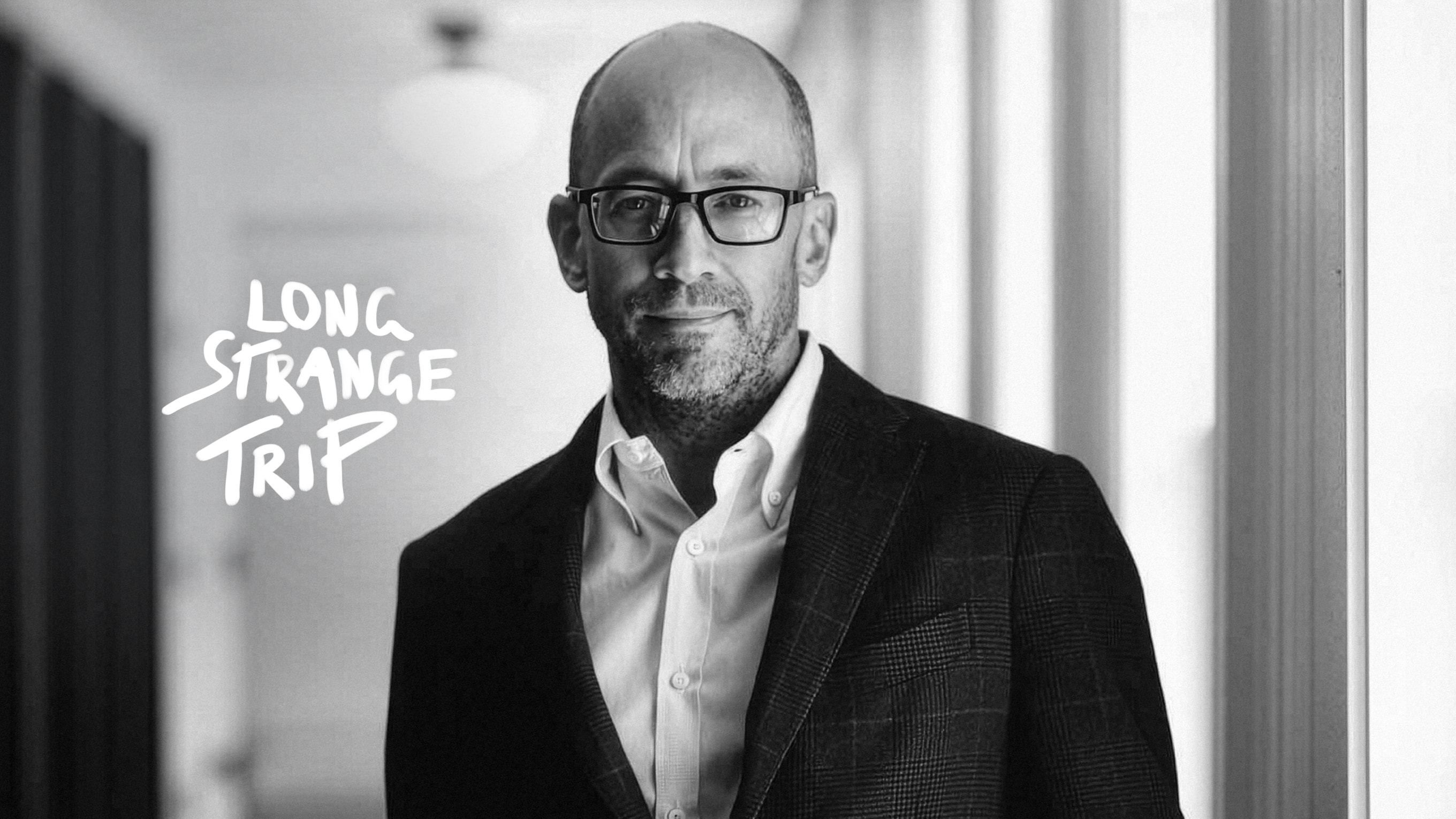
Dick Costolo took over as CEO of Twitter in 2010, inheriting what he calls “the drama queen of hypergrowth companies.” Hired behind founders Jack Dorsey and Ev Williams, Dick spent five years dragging Twitter into a public company, and learned a scale-up CEO playbook in the process. We get into how he killed group decision-making and replaced it with what he calls “bias to yes”—only your direct manager can tell you no. Why he stopped solving problems with processes (“the launch checklist was 17 pages long”). And the Steve Jobs trick he stole from Pixar for finding out what’s really going on inside a team. If you’re scaling past 150 people and feeling the organizational barnacles build up, this one’s for you.
Watch Now
Transcript
Introduction
Dick Costolo: I just felt like Twitter was such, such a drama. Twitter was like the drama queen of hypergrowth companies. You know, it was like when I took over as CEO, that year, the Twitter bird had hanged itself and exploded on two different magazine covers. So I went up to our head of communications, Gabriel Stricker, and I was like, “Gabriel, great news. Next year’s goal: no dead birds on magazine covers. You know, low bar.”
Brian Halligan: Hey, everybody. We have Dick Costolo on the show. He’s a rare bird in Silicon Valley these days. He was CEO of Twitter, but he was the third CEO. The first one was Jack Dorsey, who you probably met on the pod a couple weeks ago. The second was Ev Williams, the other founder. And Dick took over as COO, and then ultimately as CEO of Twitter, and he ran it for five years.
It was a really extremely fast-growing organization. They created a category, didn’t have a revenue machine, and was famously dysfunctional. I think Dick did a really nice job, and he was sort of the adult in the room. He kind of ran this scale-up CEO masterclass. He talks all about it in this podcast. He talks about increasing velocity of decisions and execution, which is tricky as you scale. He talked about how he managed by walking around—something I did and I think is a really good idea. He talked about how do you give very tough feedback to very tough people. There are some gems in there dealing with the press, particularly press that doesn’t like you. He talks about focus and how much focus you really need in the era of AI when you can build stuff so quickly. He talks about how do you manage the forest instead of fighting all the fires. He’s got a lot of wisdom in here.
He also talks about his regrets, including a whopper—his regret not acquiring Instagram. That one hurt. If you’re scaling, you’re 100 employees, you’re ripping, growing fast, you’ve got a lot of growing pains, maybe you feel a little out of control, this episode’s for you.
Main conversation
Brian Halligan: Welcome to the show.
Dick Costolo: Thanks for having me.
Brian Halligan: Appreciate it. I want to wind the clock back to Twitter, of course.
Dick Costolo: Of course.
Brian Halligan: I watched the documentary recently, and …
Dick Costolo: Was it the one I was in?
Brian Halligan: Yes. I thought you were really good in it.
Dick Costolo: Thank you. Great. “You were great in the documentary. You were really yourself.”
Brian Halligan: You came off as rational and knowing what the hell you were doing. But you’re in a long line of interesting CEOs—Jack Dorsey, then Ev Williams, yourself, then Jack Dorsey again, then Parag and Elon Musk.
Dick Costolo: And don’t forget Elon’s hired hand, Linda Yaccarino.
Brian Halligan: Of course, of course. You joined as COO. What was the pitch?
Dick Costolo: What was the pitch to me?
Brian Halligan: Yeah. Ev pitched you.
Dick Costolo: I mean yeah, Ev pitched me. The initial pitch was, I’m taking paternity leave for a couple of weeks. I, Ev Williams, am taking paternity leave. I need someone to come in and just hold down the fort for a couple of weeks while I’m out.
Brian Halligan: Interim.
Dick Costolo: Yeah, interim. Would you do that? But then while we were having that discussion, he’s like, “Well, what if it was permanent? What if you were COO?” And I was going to go start another company. So rewinding the clock a little bit further, I’d sold my previous company, FeedBurner, to Google. That’s where I re-bumped into the Twitter guys because they were all there from Blogger and getting ready to leave and start Odeo, which became Twitter.
Anyway, I’m leaving Google a couple of years later. Ev texts me that, and I was like, “Ah, I’m going to go start another company again with one or more of my FeedBurner co-founders.” And then Ev said, “What if it was permanent? What if you were COO?” And Twitter was already—so it’s summer 2009—it had already hit the Ashton Kutcher and Oprah Winfrey are you know …
Brian Halligan: It was ripping.
Dick Costolo: Who was gonna get a million followers?
Brian Halligan: I can see why you wanted to do it.
Dick Costolo: But zero revenue model. Zero business model. All the articles were, sure, Twitter’s interesting, but they don’t have a business model and they’ll never make money.
Brian Halligan: Yep.
Dick Costolo: And I just kind of had the, man, you don’t get an opportunity to get on these rocket ships. And when you get the opportunity, you should do it. So I did it.
Brian Halligan: So it was famously dysfunctional and chaotic. I assume you knew that going in. Was it much more so than you thought, or was it about what the press was saying?
Dick Costolo: It’s always both, you know?
Brian Halligan: Yeah.
Dick Costolo: The things that were different were—it was very much a collective, by which I mean, like, decisions were kind of made as a group.
Brian Halligan: Yeah.
Dick Costolo: It wasn’t, “Okay, well you’re responsible for engineering. I don’t know, figure it out.” you know, figure out what the right answer is. Or should we make retweet a native thing or should it be—you had to write RT at the time and rewrite the tweet.
Brian Halligan: I remember that.
Dick Costolo: And there was a discussion about well, should we just have retweet be a thing you can do in Twitter? And everyone would kind of sit around the table and talk about it and decide. The group would decide.
Brian Halligan: Okay.
Dick Costolo: You know? So things moved methodically, as a diplomatic way of putting it, and decisions were reached over a period of time. It was chaotic. And it just didn’t move very quickly. Didn’t move quickly at all.
Brian Halligan: In the documentary, it went through the pushing Ev out and giving you the CEO job. It sounded awful, the whole process.
Dick Costolo: It was awful.
Brian Halligan: What’s your side of it? What was going on?
Dick Costolo: I don’t really have a side of it other than it was awful. These things in hindsight are—it happened very, very quickly. It happened super slowly and painfully. And I was informed, like, in the driving rain on the road home by Ev and Jason that the board decided that I should be the CEO. But I hadn’t been told. And then Bill Campbell called me and said, you know, you should just quit. And I was like, “Why am I quitting?” And then the board decided, actually no, Ev is going to remain CEO, but you’ve been great and we’re going to vest a bunch of your options and so long.
Brian Halligan: Okay.
Dick Costolo: And I mean, no kidding, it went on over many, many days and weeks. And finally I was like, “Listen, just write up the separation agreement and I’m good.” Like, whatever. I’ll go do something else. And then, to make a long story short, the board got back together and it was like, “Oh, no. No, no, no.” I remember Bijan Sabet from Spark texted me, “Don’t quit!” I was like, “I’m not quitting. You guys told me you wanted me to leave; I was going to stay.” Anyway, it was super crazy.
Brian Halligan: Yeah.
Dick Costolo: And there was obviously a ton of stuff going on. And anyway, long story short, they were finally like, “Look, you’ve got to do it.” And a really long story short, I was like, “All right, I’ll stay and do it.”
Brian Halligan: Okay. You take over. You’re the adult. What did you do initially? It’s very tricky of a situation. And I think the existing founders are hanging around, probably looking over your shoulder if not breathing down your neck.
Dick Costolo: Well, Jack was the chairman of the board still. Ev had made Jack chairman of the board when he made himself CEO. Ev’s still on the board. So two of the founders, Ev and Jack, are still on the board.
Brian Halligan: And Biz was in the company.
Dick Costolo: And Biz is in the company. And Jason Goldman’s in the company running product, and a bunch of other people. The first thing that I just felt—and we sort of foreshadowed this—the first thing I just felt we had to do was, like, velocity, velocity, velocity. And that remained a concern of mine throughout my time there. Faster, faster, faster. Cadence, cadence, cadence. How can we go faster? Why do things take so long? If this takes six weeks, what would have to be true for it to be two weeks?
I did stuff like that constantly because I was always like, man, this is like dental surgery. But it was starting from a position of we’re not going to sit around the table and vote on things anymore.
I remember vividly—the status line changed from, like, what’s going on or what’s happening to something else. Or maybe it changed to what’s happening. I don’t even remember. I wasn’t even involved in it. And one of the front-end engineers, Britt Selvitelle, came into my office and was like, “Hey man, what’s going on?” I was like, “What are you talking about?” He’s like, “The status bar changed to ‘what’s happening.’” I was like, “Okay.” He’s like, “No one asked me what I thought about that.” And I was like, “Oh man. Yeah, we’re not doing that anymore. There’s going to start being a lot more of that.” So that was thing number one.
Brian Halligan: Okay.
Dick Costolo: Thing number two was there were a set of operating principles that were written on a whiteboard that Biz had been involved in either on his own or with other people. But they were like—you know, like sometimes you’ll get on a United Airlines flight or whatever and they’ll say, “Here at United Airlines, we believe in integrity and honesty.” I’m like, “Okay, who cares? Like, that doesn’t help me. That tells me nothing about you.”
Brian Halligan: Every company says that.
Dick Costolo: Yeah. Like, whatever. And also, it doesn’t help me make any decisions, and these things are meaningless and they’re usually weaponized against management by, like, you know, “Well, it says right here.” Anyway, so okay, we’ve got to get rid of these. They’re not useful.
Brian Halligan: Did the founders push back?
Dick Costolo: No, they didn’t really.
Brian Halligan: Okay. Good for them.
Dick Costolo: Got rid of those. I remember everything was just kind of like messy. You know, I remember there was just this kitchen, and it was just kind of a mess. There were, like, dirty dishes in the sink and everything. And I think I sent out an email. I was like, “This is why the fucking site crashes.” Like, you may not get it, but like, this is why the site crashes, because everything’s just kind of, “Oh well, someone else will clean it up.” And I was like, this is ridiculous. And I just tried to get this sort of like, we’re not gonna do this, like, “Oh well, we’ll get them next year stuff” anymore. There was a poster on one of the floors that was like, “We’ll make better mistakes next time,” or something like that. And I was like, get that poster out of here. It’s not—I don’t really care about it, but it’s just sort of indicative of, “Oh well,” you know? And then the site would crash again and people would go, “Oh well, we’ll figure it out. Hopefully it won’t happen again next year,” or whatever. So it was a lot of cleaning that up and a lot of velocity, velocity, velocity.
Brian Halligan: All any CEO wants to talk about now is speed.
Dick Costolo: Yeah.
Brian Halligan: And particularly, companies seem to slow down as they are in hypergrowth.
Dick Costolo: Yeah.
Brian Halligan: It’s like, you get bigger and get less done.
Dick Costolo: Yeah, because barnacles build up and you get, like, organizational barnacles. So a couple things. Initially when we were smaller—this is sub-200 people—what I did to speed things up was: one, we’re not going to make decisions as a group, we’re going to push decisions down the stack. And by the way, like, don’t come to me and ask me what you should do about this unless you have no idea and want my opinion. Figure it out, you know? And don’t tell your team what to do. Tell them to figure it out and push as many decisions down the stack as you can.
And I don’t want to hear—I remember I would talk to Jack Dorsey at these dinners we would have from week to week when he was chairman and the CEO of Block down the street from us. We would get together on Tuesday nights and have dinner. And I remember telling him, “God, I hate hearing ‘Dick said’ in the company as a reason for things.”
Because what would happen was—I’ll give you an example. I remember this example really well. The Android app started taking longer and longer and longer to boot. And so we would have a metrics meeting. I was like, “Hey man, you can see the usage numbers going down almost linearly with the Android boot time going up. People are firing up Twitter and it’s taking too long and they’re moving on to something else. Like, over here on iOS, that doesn’t happen. It’s gotta be the same boot. It’s gotta take just as long to boot Android as it does iOS.”
Okay, so two, three nights later, a week later, I’m walking around one of the engineering floors after hours, and this Android engineer comes up to me and goes, “Hey, can I ask you a question?” Like, “Yeah?” “Did you say remove the JSON file from the Android boot system?” I was like, “I didn’t. I know what a JSON file is, but I couldn’t tell you what’s in the Android boot JSON.” And he’s like, “Okay, because I was told Dick said remove that.” And I was like, “Uh-huh. I think I know what’s going on here.” Right?
And this would happen throughout the company. Some manager or director decides here’s a way to solve this problem, and the engineer pushes back against them and they just go, “You know what? Dick said do it.” And it became, like, this reason for doing things. So part of the speed was no, we’re not going to have so-and-so said. Push the decisions down the stack. And by the way, if your team makes a decision and you can’t defend it to your manager, don’t go, “Well, so-and-so said.” Like, have the engineer talk to the director or whatever.
The second thing I did as we got bigger and bigger is I started realizing oh, the organization is slowing down because there are all these fiefdoms in the organization that want ball control over their stuff.
Brian Halligan: Very common.
Dick Costolo: Very common. So here’s how it surfaced. We ran an experiment, and I was like, “Oh, this is actually really super interesting. What are the hypotheticals about what this experiment would do in production?” The engineer runs through it at an experimentation meeting. Great, let’s go ahead and launch this to X percent of users and see what happens.
Brian Halligan: Yeah.
Dick Costolo: One week, two weeks, three weeks go by. I’m like, “Hey, where’s—” I’m looking at the app and I’m like, “Where’s this engagement experiment we’re running?” And I find the engineer. He’s like, “Oh, I’m waiting for Trust and Safety to sign off on it.” I’m like, “What?” It’s like, “Oh yeah. Well, I asked so-and-so if we could launch this, and they didn’t say no, but they said you have to go get approval from user security.” And I started realizing that when people would try to go do something, they wouldn’t be told “No, you can’t do that.” It was something much, much worse and slower than that.
Brian Halligan: You need approval from security.
Dick Costolo: You’ve got to ask security.
Brian Halligan: You’ve got to ask your mom.
Dick Costolo: Go ask these 14 people. And if they all say yes …
Brian Halligan: Okay, everyone’s got this problem. How do you fix it?
Dick Costolo: So what I did was—it’s very similar to what Bezos used to do at Amazon with bias to action. I had—it was from my improv background. I was like, we’re going to have a bias to yes. And bias to yes is: only the person you report to is allowed to tell you you’re not allowed to do that. Or legal can tell you if you do that, you’ll be fired because it’s illegal and a violation of the privacy policy. But no other organization, period, is allowed to tell you you can’t do that or you need to go ask these people for permission. Just your direct manager.
And that means if you have an idea for an experiment and your manager signs off on it and you have time to do it because you’re done with whatever else you’re working on, no one can tell you you can’t do that. Or, you know, the marketing team’s not allowed to tell you you can’t use the Mailchimp software we license because that’s the marketing team’s.
And so bias to yes was: I don’t want to hear about something being stalled because organization X said you have to go get approval from organization Y. And that was great. Experiments started flying out. In fact, engineers started going, like, “Wait, I don’t have to necessarily get design to build all these wireframes for something. I can just do it myself since we’re only launching it to one percent and see if it works.”
And so that was just great. It worked throughout the organization, and I would repeatedly get on stage at all-hands meetings and talk about bias to yes and what it means and what it doesn’t mean. It doesn’t mean you can stop doing what you’re supposed to do because it’s a priority and do whatever you want to do. Because your manager is gonna go, “If you do that, I’m going to fire you because you’re being measured on—”
Brian Halligan: No group decisions. DRIs.
Dick Costolo: DRIs.
Brian Halligan: And bias to action.
Dick Costolo: Bias to action.
Brian Halligan: Anything else? All these CEOs I work with are like, “We’re slowing down. How do we speed up?”
Dick Costolo: Yeah, don’t solve problems with processes. So it happens all the time in organizations, like some customer problem happens, the customer churns out or the advertiser quits.
Brian Halligan: Yeah.
Dick Costolo: And the CEO goes, “That can never happen again.”
Brian Halligan: Yeah.
Dick Costolo: And so what happens? Some step gets added to some process that’s like, “Before you do—” I remember at Google famously, the launch checklist got to be, like, 17 pages long or something. And Larry was like, this is insane. It’s like the FDA—never another thalidomide—or the TSA—make sure there’s no water bottle on the plane. And pretty soon you’re not managing to outcomes, you’re managing to the processes, and you’ve got to go through nine steps instead of just managing to the outcome of make sure there’s not a bomb on the plane.
So the way you do that is you solve problems with DRIs, operating control, and not processes. You should probably only really have a couple organizational processes, and everything else should be span of control and decision-making. When you do that, you can’t—and this was something I had to come to understand and adapt to—when you do that, you can’t punish people when things go wrong. You want them to take risks. You want them to be bold. You want them to have this bias to action and doing things and not be tiptoeing around asking for permission. But one of the implications is you can’t punish people for making mistakes. And I got to the point where I would tell the team: it’s not the job of leadership to prevent mistakes from happening. It’s the job of leadership to correct mistakes quickly when they happen. So if you screw something up, like, by all means tell us so we can help you fix it. But no one should get in trouble for screwing something up or making a mistake. And I didn’t come to that immediately, but I came to realize that that was an important artifact of pushing decisions down the stack and bias to yes and we’re not gonna have lots of processes.
Brian Halligan: Love it. So many of the CEOs I work with—I just was at a—I won’t say the company, but here in New York City, and spoke at their company meeting. And here’s how I would describe every company: when it’s under 50 employees, everybody knows what’s going on all the time. When it’s over 150 employees, nobody knows what’s going on any of the time.
Dick Costolo: Yeah.
Brian Halligan: How did you scale communication and keep people on the same page? Tell me a little bit about the management by walking around.
Dick Costolo: Yeah. Well, I did two things. First of all, I taught this management class at Twitter. It was actually based on Ben Horowitz teaching a management class at LoudCloud.
Brian Halligan: Fascinating.
Dick Costolo: And Ben had in his outline from his management class a statement that I highlighted and underlined and circled three times: make sure everybody understands what you understand. So I would always tell my managers that. Like, your job is to make sure everybody understands what the priorities are and what it means for them and their team, how they fit into those priorities, and more importantly, for your team, what it means for them personally and professionally if we achieve what we have to achieve. Those kinds of things are great.
I remember somebody telling me a story of taking a factory tour at a Tesla shop and seeing some guy who’s screwing a widget into the car, and asking the guy what are you doing? And the guy didn’t just say screwing a widget into the car. He said, “Well, if I do this and we’re able to build these kinds of cars and these kinds of cars can become more popular in America—” I mean, the guy understood the story, and I thought that was great.
Brian Halligan: It’s like the analogy of somebody asking a bricklayer what he’s doing, and the bricklayer says, “Oh, I’m laying bricks.” And the other bricklayer says, “I’m building a beautiful cathedral.” I love that.
Dick Costolo: Yeah. Like, you want people to under—I mean, how much more motivating is it to work in a company where you know if I’m successful in my work, I understand what the implications are for both me personally and the company.
Brian Halligan: Okay, priorities in context.
Dick Costolo: Priorities in context.
Brian Halligan: Good news travels fast. Bad news travels slow. And as the board gets bigger it slows down and the signal gets distorted. How does a CEO deal with that?
Dick Costolo: Yeah. I said earlier: it’s not the job of leadership to prevent mistakes from happening. It’s the job of leadership to help correct them quickly when they happen. So I would always communicate—you’ve gotta tell leadership if something screwed up. If your situation is screwed up, or your team, or some decision is a mess, you have to communicate that constantly.
And then secondly, I would regularly communicate the priorities to the team over and over and over at all-hands meetings. Here’s what the priorities are that we’re working on. This is how we’re going to measure them. This is why they’re important. And this is what they mean for us as a company if we’re successful.
I always wanted people to understand not just what we had to do, but why it was important to do it. And I think that scaling communication architecture is one of the most important things in any company. And part of it is never saying, “Because so-and-so said.” That’s not context. That doesn’t help your team understand context for why some decision was made or what they should do how they should go do it.
So that combination of pushing decisions down the stack, making sure that everybody understands what you understand and that a lot of that is context, and always communicating problems or issues up the stack as a means of helping get it resolved quickly were the ways we dealt with that. One last thing—a Steve Jobs trick.
Brian Halligan: Okay. I love a Steve Jobs trick.
Dick Costolo: Yeah. So when Steve was managing both Pixar and Apple—so he’s CEO of Pixar still, but now he’s back in the seat at Apple.
Brian Halligan: Yeah.
Dick Costolo: So now he’s only at Pixar one day a week, because there’s all the stuff I gotta go fix at Apple. So they’re making Toy Story 2, and what Steve would do—so he’s got one day to come up to speed on what the heck’s going on at Pixar. So he’d go into the office on Friday, and he would say, “All right. Today, I want to sit down with, like, the illustrators, without Lasseter, the director of the movie, John, without Lasseter in the room. I just want to sit down, me and the illustrators.” And he would go—there are 8 or 9 of them—it’s a, you know, “Janet, tell me something that’s not working well at Pixar.”
Brian Halligan: Yeah.
Dick Costolo: And then, you know, “Bob, do you agree with that?” Taking notes. Okay, “Phyllis, tell me something that’s working well at Pixar.” Not on the movie, not about your job.
And at the end of the meeting—a 45-minute, one-hour meeting—he’d say, “Okay, here’s what I heard. People are having these kinds of issues. This is going really well. I’m going to go talk to John about it and he’ll deal with the rest on Monday. You can follow up with him.” So he’s not saying, “Oh yeah, that sucks,” or “No, you’re wrong.” He’s taking notes, making sure he hears everything that was said, and then going to talk to Lasseter about it.
I started doing that with teams. You quickly find out if that team knows what the priorities are is in sync with what you’re hearing from the leadership of that team. And some of the leaders of the company hated it. And I was like, “Well, now I’m concerned about why you hate it.” But you’re not in that meeting doing things like throwing the director under the bus. You’re going, “Okay, here’s what I heard. I’m going to go talk to my management team about it on Monday and Chris or whoever will follow up with you guys.”
Brian Halligan: Let me switch to you on priorities. So all these CEOs I coach have their list of priorities, it’s January 1, but oh my God, there’s so much opportunity, so much interesting stuff and this employee has this thing going on. How often did you rejigger those priorities? Were you disciplined about it over the course of whatever that period was?
Dick Costolo: Yeah. You can rejigger them once in a while.
Brian Halligan: What’s once in a while?
Dick Costolo: I don’t know. Like, if you’ve got four huge priorities for the first four to five months of the year, you can’t get to February and go, “These two are stupid and we’re changing them.” Once or twice a year you can go, “Let’s actually change this one to this other thing.” If you start doing it regularly, people are like, “Well, we can get to work on the direct messaging architecture, but Dick’s probably going to change it anyway.” You just can’t do that. By the way, that’s another way companies slow down is because people are just like, “Look, I’m not going to bust my ass on this thing when there’s a 50 percent chance Dick’s going to throw it out the window in a month.”
Brian Halligan: Yes. Let me test something on you. A lot of these hypergrowers, it used to be that there were a lot of one-way doors in the software industry. Stuff took a long friggin’ time to get out the door, even to test.
Dick Costolo: Yeah.
Brian Halligan: And you had to kind of do things serially. Now you can do so much so fast. And so they’re just doing more in parallel, and a lot of those one-way doors are two-way doors. Is focus overrated now?
Dick Costolo: No, focus is—I don’t think focus is ever overrated. However, the fact that you can do more quickly and since they’re two-way doors, you’re like, “Great.” I mean, this is the old Jeff Bezos thing. Only take a long time to make decisions that are existential. Like, we might die as a company if we make the wrong decision. There are fewer and fewer of those decisions that can be like, if we screw it up, we can go back and do the other one. Do those right away. So focus is still important. But it’s also true that you should feel like you can do a lot more now with less, because you can.
There was a point in 2011 when we wanted to try to get Jeff Bezos to join the board of the company. We had an independent seat open. Who would be the best possible independent director? Jeff Bezos. So Jack and I go meet with Jeff Bezos—I think it was at the Allen Company conference or something. And Jeff asks a question about strategy. And Steve Jobs was still alive at the time, and Jack said, “Well, Steve says the most important part about being a CEO is focus and you should say no to almost everything.” And it’s in fact the CEO’s job to be the editor-in-chief, and you should say no to almost everything and do very, very few things. And Bezos looks at Jack and goes, “Oh yeah? Well, I like to do everything.”
Brian Halligan: [laughs]
Dick Costolo: And he does the big Bezos laugh. And he goes, “My team has to talk me out of stuff.” He goes, “You know, there’s lots of ways to be successful.” And I remember that like it was yesterday. And he’s right.
Brian Halligan: There’s many ways to climb the mountain.
Dick Costolo: Yeah. And I think it’s true that today he would say, “Great, I can do even more now. We can still be focused but I can do even more things.” I think those things can both be true.
Brian Halligan: Just want to get back to some of your management techniques, because I think they were great. This management by walking around which is a very old school Hewlett-Packard concept. It sounds like you did it the same time every week.
Dick Costolo: No, I did it at all hours.
Brian Halligan: Okay.
Dick Costolo: And mostly late night. It started because Bill Campbell—for people who don’t know and are listening to the podcast, Bill was on the board of Apple and famously coached Larry, Sergey and Eric at Google. I wrote a book about him called Trillion Dollar Coach. The Benchmark folks had also brought him into Twitter before I got there. And Bill famously said when I took over as CEO, like, you could roll a grenade into Twitter at 5:30 pm and only take out the cleaning people.
Brian Halligan: [laughs]
Dick Costolo: And he was right. So I was like, okay, how do you—you just can’t tell people to work harder. They’re like, “Okay, you work harder.”
Brian Halligan: Yeah.
Dick Costolo: So what I did was—I mean, it’s such a stupid thing, but I was like, all right.
Brian Halligan: I’ll walk around at night.
Dick Costolo: I’m going to go out, get dinner, come back at, like 9:00 pm, 9:30 pm, walk around, and whoever’s here, I’m going to talk about the stuff they’re doing at the next all-hands meeting. And I’m going to bump up the prioritization of that.
Brian Halligan: Yeah.
Dick Costolo: And I remember Marcel Molina—@NoRadio on Twitter, that’s a little promotion for Marcel there—Marcel was always working late on stuff, and I would be like, “What are you working on?” And I’m working on native retweet or whatever. And I would get in front of the company and go, like, the work Marcel is doing—and people are like, “How does he always know what Marcel is doing?” And other people would go, “Oh, Dick comes back after dinner at night and walks around.” And people slowly, slowly, slowly started to change the culture of the people who are around when Dick’s walking around are getting their stuff prioritized.
Brian Halligan: I copied you. I walked around Friday afternoons.
Dick Costolo: Yeah.
Brian Halligan: And I learned a lot.
Dick Costolo: Yeah. So I would just go up to engineers and go, like, “What’s going on? What are you working on?”
Brian Halligan: You have an interesting expression that I don’t understand about forest fires and forestry management.
Dick Costolo: Oh yeah.
Brian Halligan: What the hell are you talking about?
Dick Costolo: I was trying to help a director in the company be more strategic. They were super tactical. And it’s finally like, your job as a director, as you grow in this company is you can’t just say, “Well, I put out this forest fire.” Like, your job is to map the territory and start to do forestry management. Like, what are we going to do so that next year if there’s a fire over here, that highway is not going to be in trouble? You can only work so many hours a day, and stamping out fires isn’t going to work as we scale. You need to push those down the stack. Your team should be fighting the fire that’s over there because it might burn a house down or something. You need to be focused more on thinking about this whole pie and what has to be true 24 months from now so this whole pie, this whole territory is in better shape. And I just—that was the metaphor I had for helping people try to think strategically versus like, “Well, I’m chopping down the trees. Look at all the trees.” That’s not leadership and strategy. That’s tactics.
Brian Halligan: I like that. Okay, now I get it. One of the people I connected with before interviewing you said something interesting about you.
Dick Costolo: Oh boy. I can hardly wait. I’m sure most people did, but anyway.
Brian Halligan: And both sides of this are interesting.
Dick Costolo: [laughs] Both sides.
Brian Halligan: He said, “You know, Silicon Valley, San Francisco, everyone’s passive-aggressive.” And so I’m curious your take on that, because I don’t live in Silicon Valley. And the second thing he said, “Dick’s not passive-aggressive. Dick’s aggressive.”
Dick Costolo: Yeah.
Brian Halligan: Give me both sides of that.
Dick Costolo: It’s just like I am super impatient. I know this is a personal flaw, but I’m super impatient. Like, people would come in and go, “Here’s why I’m, you know—” or whatever, “I’m sad,” you know? And they would start talking to me and I’m like, “Okay, stop. Like, it seems like you don’t like working here. You should quit.”
Brian Halligan: Okay.
Dick Costolo: “No, I want to tell you I’m sad.” You know, like, okay, I don’t care. Who cares? I’m sorry. I’m not trying to be a jerk, but we have a million things to do. I’m just direct and blunt with people. I’m not a jerk. I think a lot of times, especially engineering leaders who’ve come up in the organization coding and programming and doing stuff on their own and now I have to manage people, they think when you tell them you have to manage performance on your team and you have to manage poor performers out, they think you have to be a jerk when you do that. You don’t have to be a jerk about it. You just have to be about direct about it and forthright. Don’t say stupid stuff like, “No one’s sadder about this than me.” You can be empathetic and still be straightforward.
Brian Halligan: Okay. A lot of these CEOs I coach are in their mid-to-late 20s, and in their whole life they haven’t—like, “Mom, I got some feedback on dinner,” or “You’re hogging the basketball.” You’ve just never given a homo sapien feedback. It’s unnatural.
Dick Costolo: Yeah.
Brian Halligan: Advice for that CEO?
Dick Costolo: Yeah, my advice for that CEO—Bill Campbell actually gave me this advice early on—is, like, write down what you want to say, and then say that and don’t say anything else. So the night before, if you write down the honest feedback, you know, I would give Brian, especially after you give Brian a bad performance review, the night before if you write it down, I guarantee you 99 out of 100 people, if they go into the meeting the next day, they don’t say that. They’re like, “Listen, Brian—” instead, they’re like, “You know, it’s really a hard time here for everybody, we’re all working—” just shut the fuck up. The person knows you’re about to hit them over the head or something. And you also don’t have to say, like, “Hey, Brian, that’s just the way it is, you know, too bad if you don’t like it.” You just write down what you want to say, and be forthright and honest. And you can say, “I understand. If you don’t want to deal with it anymore, I get it.” And say those things and don’t add a bunch of fluff around it. I thought that was great feedback and I would do that.
Brian Halligan: Sit with the silence.
Dick Costolo: Yeah. Sit with the silence.
Brian Halligan: Sit with silence is hard.
Dick Costolo: Yeah.
Brian Halligan: It’s unnatural.
Dick Costolo: It’s unnatural. The best person—so I used to do a thing in my management class where it was a six-hour course. There was a ton of stuff in it. But one of the things I would do, it was about giving people feedback. And, like, “Okay. Brian, you’re going to give Dick feedback. And the feedback is: you’ve been working on this thing for six weeks and busting your ass and you’ve been here ‘til midnight every night and we have to cancel the project because it’s no longer a priority.”
Brian Halligan: Yeah.
Dick Costolo: Something horrible that no one wants to hear.
Brian Halligan: Yeah.
Dick Costolo: You know, it’s made-up, of course.
Dick Costolo: The only person who did that role play and was ever good at sitting in silence was Elad Gil, current venture capitalist. Elad sat in the chair and gave the person the feedback. And I say to the employee that I see before the role play, I pull them aside and go: this is bullshit and you’re going to tell Dick, and you don’t want to hear this and it shouldn’t be canceled and they need to look at the data. Whatever. And Elad was great at just sitting there.
Brian Halligan: It’s hard.
Dick Costolo: And then eventually the other person runs out of gas and stops talking. And Elad was great at that, and the only person who ever did it.
Brian Halligan: Okay. One of the things I want to ask you about is you had some very talented folks—some of which you brought in, probably others brought in, like Adam Bain, Kevin Weil, Anthony Noto, Elad. How did you guys recruit? What did you look for? Are you looking for slope or experience? What was your filter?
Dick Costolo: It’s a great question. I actually tried to promote from within as much as possible, because you want people inside the company to feel like they’re not going to get capped out at which point—you know, I can only get to this level because anything above that, Dick just goes out and finds someone.
So Kevin Weil, for example, was promoted from within—from an IC—when I got there in 2009. And there were only about 40 people or so in the company when I got there—to eventually running all of product after running all of ads product. So he was promoted from within. Noto was—I just felt like Twitter was such, such a drama. Twitter was like the drama queen of hypergrowth companies.
Brian Halligan: Yes.
Dick Costolo: You know, it was, like, constantly in the news. When I took over as CEO that year, the Twitter bird had hanged itself and exploded on two different magazine covers.
Brian Halligan: [laughs]
Dick Costolo: So I went up to our head of communications, Gabriel Stricker, and I was like, “Gabriel, great news. Next year’s goal: no dead birds on magazine covers.” You know, low bar.
Brian Halligan: Yes.
Dick Costolo: Anyway, but it was just constant drama. And Noto was so good at Goldman Sachs—where he ran technology and media—at dealing with investors and communicating with them, et cetera, that I had been trying for a while to bring him into Twitter, and I was finally able to. And of course, he’s fantastic.
Brian Halligan: How about Adam?
Dick Costolo: Adam was funny. Adam was what you’d call a non-consensus hire when I first recruited him, because it was while I was COO, and I went to the board and Ev and said, “I’ve got the perfect person to run revenue at Twitter. It’s this guy, Adam Bain. He’s in LA and he works for Fox Interactive.” And everyone was like, “You’re gonna bring in someone who works at Fox in LA and bring them to San Francisco to run our revenue side of the business?” But he was the perfect person to do it.
I must have flown down there to LA for five or six months before I could convince him to do it. But I met him while we were in the process of selling FeedBurner, and his employer, News Corp, was one of the interested parties before Google bought it. And I got to know him and it was just like, man, this guy is tireless and we’re going to be in, like, a constant dogfight, and fighting from behind against Facebook for social ad dollars. And Adam was just one of those people who’s got a motor that doesn’t stop and who’s a perfect person for the role.
Brian Halligan: There’s an old adage: fire fast, hire slow. I always say that out loud. I didn’t do that. I fired slow. And almost every time I was like, “Man, I should have—at six weeks I knew.”
Dick Costolo: Yeah. Yeah.
Brian Halligan: Were you disciplined about that?
Dick Costolo: Yeah, I tried to hold myself accountable to that. And it’s horrible. There’s nothing worse than having to do something like that. I remember one of my board members, David Rosenblatt—I’m always a little bit like, “Come on,” when people are like, “Oh, I like firing people because it’s the right thing for them.” Like, that just sounds like you’re an asshole. Because it’s horrible.
Brian Halligan: Yeah.
Dick Costolo: But you have to do it. And I remember I asked David Rosenblatt, because I had to terminate someone with global operating responsibility. I was like, “Wait a minute, if I fire him in the morning, the people in Japan are going to be in bed. But if I fire him in the afternoon, then—” And so I’ve got to figure out. And I was talking to my board about it. And David Rosenblatt, who had been the CEO of DoubleClick before it sold to Google, was like, “Oh, I had to do that. I actually saved the calendar date from that, because I had a whole series of communications I had to roll out.” This is we’re now a couple thousand-person company, et cetera with, like 30 offices around the world. So I get his day of communications. And the only thing I remember from it—it’s a whole layout of how to go about it. The only thing I remember from it is: “6:00 am: Wake up in a cold sweat.” You know, it’s just horrible.
Brian Halligan: Yeah.
Dick Costolo: It’s not fun. You can’t wait ‘til it’s over. And you just have to do it. And Jeff Weiner’s old analogy—he was LinkedIn CEO when I was running Twitter. Jeff Weiner would call it—for those of you who are baseball fans—he’s like, “Sometimes you’re watching a baseball game and you see the pitching coach or the manager walk out to the mound and talk to the pitcher. And the pitcher’s like, ‘No, no, no. Don’t worry, coach, I still got it.’ And the manager walks back to the dugout, and this guy cranks one out of the park again. And you can see the manager walking out like, ‘I knew it! I knew it!’” And Jeff was like, I always tell myself: don’t be the manager having the first conversation with the person when you know what you should be doing is having the second conversation.
Brian Halligan: As a Red Sox fan, that really hits home.
Dick Costolo: [laughs] I think his example is actually Pedro Martinez from the Red Sox. But anyway …
Brian Halligan: Grady Little didn’t take him out.
Dick Costolo: Yes.
Brian Halligan: I work with all these hypergrowth companies. I think you do, too. What are the pitfalls when you’re in hypergrowth, and what are your tips for these CEOs listening today who are growing incredibly fast?
Dick Costolo: One of the real pitfalls, especially for these hypergrowth AI companies that are going from, you know, single-digit revenue to $100 million, is it’s very, very easy to take your eye off the ball when you raise too much money. And by taking your eye off the ball, I mean we’re thinking about operating leverage and operating efficiency, because once the money is there, you’re like, “Don’t have to worry about that. I’ll go worry about this thing over here.” And next thing you know, the burn is, like, “What are you worried about?” It happens all the time. And Ryan wrote this great post saying, “Look, I thought I was Mr. Efficiency. It’s not gonna be the same for us. We’re gonna be super capital-efficient.”
Brian Halligan: Yeah.
Dick Costolo: But when you don’t have to worry about it at all and there are a million other things to do, you stop worrying about it and you start getting …
Brian Halligan: Are people raising too much money?
Dick Costolo: I think so. In many, many cases. I don’t know that the models are; the models probably need all the money for compute.
Brian Halligan: But, like, an app company?
Dick Costolo: Yeah, I think a lot of companies are raising too much money. I think a lot of companies are raising too much money. Because, you know, raising $100 million Series B is the new $20 million Series B.
Brian Halligan: What else in hypergrowth? Like, what breaks in hypergrowth?
Dick Costolo: Hiring. Hiring, almost. I mean, my favorite thing is you talk to, you know, a CEO who’s like, I don’t know, pick some number, first company they were lead product manager at some awesome fintech company X and now they’re CEO—and they’re like, “We’re only going to hire A players.” And I’m like, “Yeah. PS, guess what?”
Brian Halligan: Everyone says that.
Dick Costolo: Yeah. Come back to me when your customer success team has to hire twice as many people next quarter because you just churned a bunch of customers because no one checked in with them last quarter because you’re growing like a weed. And then tell me. And you just end up not doing that. So one of the things you have to do when you come to the realization that we don’t only hire A-plus players is you have to get religious about you have to manage out low performers. But as you move down the stack and you’ve got inexperienced managers who are first-time managers, first-time directors, man, there’s nothing they want to do less than let someone go. They’ll do anything to not do it.
Brian Halligan: How do you fix that?
Dick Costolo: You prevent them from trans-firing people. You know, trans-firing is like, “Janet would be great on the ads team. She loves ads.” You need people.
Brian Halligan: Yes.
Dick Costolo: And then you’re like, “No, no, no.” So we had performance reviews. I was like, if your review is below an X number, you can’t switch teams.
Brian Halligan: That’s a good idea.
Dick Costolo: Let’s say it’s one through four. Four is amazing, one is you gotta go. If you’re a two, you can’t move teams until you’re no longer a two.PS- if you go two to three to two, I’m going to talk to your manager again and go, “Let me guess, this person can be a three again this next term so you don’t have to put them on a performance plan.” So we would, after performance reviews, always go through as a senior team, like, “Okay, I can see from the way these couple people or these eight people are bouncing from two to three to back to two to back to three, like, you’re just trying not to fire people. And I can see that your curve is inflated.” And blah blah blah. So we would just be super hardcore about that. You can’t do that.
Brian Halligan: Let’s talk about competition for a second. I mean, you’re competing with Facebook.
Dick Costolo: Yeah, they were the juggernaut that we just had the hardest time with.
Brian Halligan: Tomorrow I’m speaking at another company meeting—I’m not going to say the name of the company—but they’re going to be competing with OpenAI and Anthropic. Almost every boardroom I’m in is talking about that. Everyone’s anxious about that. The employees are anxious about that. Advice about that.
Dick Costolo: First of all, you have to acknowledge it, and then you just have to—I mean, one of the things I would always do is, like, they’re huge, and Mark is the most competitive person on the planet. Trust me when I tell you, like, they don’t say to themselves, “Oh, whatever. Twitter won that thing, that’s fine.” They’re like, “That can never happen again.”
Brian Halligan: Yeah.
Dick Costolo: So we have to be like—and we’re way smaller than them and have far fewer resources. So it’s like, we just have to think about them, we have to talk about them, we have to understand what they’re doing, and try to figure out how to out-hustle them. And Adam Bain on the revenue team was great at that. He would come into company meetings at the Consumer Electronics Show at the beginning of the year, and go to one of the first big customer meetings—let’s say it’s Unilever—and he would sit down with the CMO from Unilever before the meeting and say, “How’d the Facebook meeting go?” “Oh, great.” “What are they psyched about? What are they psyched to show you this year?” And then he learn all that and then he would go into the meeting with Unilever and say—even if we had a bunch of things to show them he’s say, “We have some things we want to show you, but we really want to spend the next two hours today just understanding your business and what you guys are concerned about, what your problems are.” I mean, knowing that she’d just told him the Facebook people came in and showed us this and this and weren’t asking those kinds of questions.
Now Facebook wised up to that over time, et cetera, but Adam had come up with a great way of thinking about how to compete with this juggernaut. And the juggernaut’s rolling out new things every quarter.
Brian Halligan: That’s good salesmanship. That’s really good salesmanship.
Dick Costolo: It’s just good salesmanship. He’s like, “I can’t compete with their eight new things and their micro-targeting and blah blah blah. So I’m going to totally come at it from a different angle.” And it was just smart about learning how to do that by talking to the customer beforehand.
Brian Halligan: You guys picked the advertising model to make money. As you look back at that, good call?
Dick Costolo: Yes. Advertising is undefeated. The ARPU is higher—it just is—on advertising versus subscription revenue, et cetera. I think we would do the same thing over again.
Brian Halligan: Any other as you look back, like, “Man, I wish I had a do-over on that one.”
Dick Costolo: Oh yeah. We tried to buy Instagram the month before, month and a half before Facebook bought it. And by the way, for a much higher percentage of the company. Facebook’s offer is famously $1 billion, and I think it was $700 million of stock and $300 million of cash. They only had eight or nine employees at the time, Mike Krieger and Kevin Systrom. But we knew well before that, like, these guys are—Kevin is an extraordinary product manager. Kevin and Evan Spiegel, I think, are probably two of the best product thinkers in Silicon Valley.
And so I knew that, and well before Mark made his offer to them, I went out to dinner with Kevin and Mike, and told them we wanted to buy the company and would end up giving them basically well over 10 percent of Twitter and, you know, something equivalent to $700 million in stock. And we were maybe valued at $5 billion at the time. And, you know, I would have gone and—could I go back there and talk to Kevin? I would say, like, you can run the company when I leave. Like, congrats. You’ll get to be CEO. I mean, they may still not have done it. And I would also say, “Also, I’ll go borrow $300 million from JP Morgan and give it to you. You can have it all and we’ll pay them back later.”
Because that was a game changer. Once they had Instagram, I was like, oh man, we’re boxed out. That is the future of rich media social media feeds. We have Vine, but it’s much, much smaller, and they’re now going to come at us on Instagram with video—which of course they did. And that was sort of checkmate.
Brian Halligan: Other regrets? Any regrets on—I mean, the content moderation stuff has been in the news over the last five years. It wasn’t as hot while you were there. As you look back at that, regrets?
Dick Costolo: It was always there. The thing I’ll say about content moderation that people get wrong all the time is like, “This is really easy. Just prevent people from doing that.” They’re like, okay, well, that is a lyric in a Kanye song. Can he not tweet his lyrics? Or whatever. I’ll give you a specific example that always, I think, highlights why it was such a pain in the ass, and it’s so hard and you can’t just come up with a set of—these companies try to come up with a set of rules and, like, well if it violates the rule you have to take it off, and if it doesn’t violate the rule you can’t kick it off. Like, you just can’t think about it that way. These things are so subjective.
So ISIS, the terrorist organization, captures three pilots from some air force, and puts them in cages on a beach and lights them on fire and kills them, basically burns them to death. And they post these to Twitter, photos and videos. And my general counsel comes to me and goes, “Hey, these terrorist accounts are—” I’m like, “Great.” She’s like, “Suspend the accounts, right?” Yeah, of course. Like, right away, anyone that posts the media of these pilots being lit on fire, suspend the account.
Well, the frickin’ New York Post an hour later posts the huge photo of this pilot being lit on fire. And then I get, “Hey, why did you suspend the New York Post?” “What? We didn’t suspend the New York Post.” “Yeah, you did.” And you’re like, okay, wait, I guess the New York Post can do it, but now who can’t do it?
And that was one tiny example. It was just so infinitely hard. And the big thing—if I could go back again—is you just can’t have these hard and fast rules. There has to be, again, having operating control and somebody with an understanding of the situation, like our GC. You’re going to have a bunch of judgment calls and they’re going to get a bunch of them wrong. And that’s life.
Brian Halligan: And, like, after your tenure—I don’t know what to believe, but it looks like there was a lot of conversation between the Biden administration and that group. And then a lot of accusations from Elon that that group was just very left of center in their orientation. Any reaction to that? Was that the case when you were there?
Dick Costolo: I mean, yeah, probably it was left of center, but I don’t think when I was there—I don’t think it impacted the way we thought about abuse. I mean, it wasn’t like, you know, for example, we didn’t have any, like “Oh, you’re not allowed to deadname trans people.” That stuff was all post me being there. At the time, it was mostly what we were dealing with …
Brian Halligan: The culture war kind of happened after you left.
Dick Costolo: Yeah. The stuff we were dealing with when I was there were ridiculous amounts of Russian bots, which at the time were not election stuff. It was maybe they were preparing the groundwork for 2016, but it was mostly like phishing attacks and just massive bot farms that were doing phishing attacks on people and trying to hack into their accounts or get credit card information, et cetera.
Brian Halligan: Most of the CEOs who have been around a while have got a shit ton of bad press. You got a metric ton of bad press.
Dick Costolo: Yeah.
Brian Halligan: It must—I got a bunch of bad press. It impacted me. I tried to show a face like it didn’t, but it was soul-crushing to me.
Dick Costolo: Yeah.
Brian Halligan: How did you handle it?
Dick Costolo: I don’t know. I had had the fortunate opportunity to be a performer and do improv comedy and stuff and audition for SNL a couple of times before I went back into business. And I had been, like—I remember I was at the Adelaide Comedy Festival with my improv group, and we had this midnight show at the Opera House, the Adelaide Opera House.
Brian Halligan: Adelaide, Australia?
Dick Costolo: Yeah. And the crowd is hammered.
Brian Halligan: Okay.
Dick Costolo: Drunk. Maybe a thousand people. And it’s like an hour-and-10-minute show, completely improvised. We get on stage and, like, five minutes in, the crowd starts yelling, like, “You suck! Get off!”
Brian Halligan: [laughs]
Dick Costolo: [laughs] And, like, man, we got 80 more minutes or whatever. And so I don’t know, I just became resilient to it.
Brian Halligan: Did it hurt inside?
Dick Costolo: I don’t know. Like, we got good press. I remember my daughter called me.
Brian Halligan: The good press never hit for me. The bad press did.
Dick Costolo: I’ll tell you, my daughter called me—this is at the end of 2014. So 2013, we go public, IPO successful, everyone’s super excited, go “Yay, us!” And there are these stupid awards that come out like CEO of the Year, Dick Costolo. End of 2014, my daughter texts me. She’s like, “I have bad news and good news.” And I was like, “What’s the bad news?” She’s like, “Yahoo Finance says you’re one of the five worst CEOs of 2014.”
Brian Halligan: [laughs]
Dick Costolo: And I was like, “What’s the good news?” She goes, “Nobody reads Yahoo Finance.”
Brian Halligan: [laughs]
Dick Costolo: Okay. Got it. I just felt like—I don’t know, you’re like, okay. And I’ll say one last thing on it and I’ve said this a bunch, but I think it’s important. I got invited to go to, like, the Vanity Fair Oscars party one of the years.
Brian Halligan: By the way, that must have been cool.
Dick Costolo: Well, I got invited to go. I didn’t go.
Brian Halligan: Oh. Why?
Dick Costolo: Good question. So I told my daughter I don’t want to start going to a bunch of stuff that I get invited to because I’m the CEO of Twitter, because then I’ll be like, oh, I don’t want to not be the CEO of Twitter because I won’t get invited. So I went to the NBA All-Star Game because I knew Adam Silver and he invited me—I felt like it was a Dick Costolo invitation. I was like, I’ll go to things I get invited to because I’m Dick Costolo. I don’t want to go to things that the CEO of Twitter gets invited to, because then I’ll be like …
Brian Halligan: Wasn’t that part of your job?
Dick Costolo: No. I mean, going to the White House, sure. Like, hey, the president wants to talk to you about Edward Snowden and abuse on the platform and what are we going to do about terrorists using the services? Yeah, you’ve got to go to that as part of the job. But going to these things, you know, like the Oscars or whatever, like, I don’t know any of these people. They don’t care about me.
Brian Halligan: I totally would have done it. [laughs]
Dick Costolo: Yeah, well, you would have been standing over in the corner going, like, “No one’s talking to me. Tom Cruise won’t talk to me.”
Brian Halligan: It’s exceptionally rare these days that a founder-led company is replaced or they don’t hire the adult external CEOs. Should it be happening a lot more?
Dick Costolo: I think it goes in waves.
Brian Halligan: And it doesn’t happen at all these days.
Dick Costolo: Yeah, I know. I think it goes in waves, and I think it will continue to be—something will happen and people will start going, “You know, we really need, for these companies that are making $4 billion in revenue after three years and the 26-year-old founders are—” something will happen and there will be a wave of operating executives coming back in and running some of the companies. It happens a little bit like Slootman, you know?
Brian Halligan: Yeah. Pretty rare.
Dick Costolo: Yeah, rare.
Brian Halligan: Even the public companies, like, MongoDB, Workday recently, but maybe one a year.
Dick Costolo: Yeah, it’s true. I do think it goes in waves. We’ll see if it happens again.
Brian Halligan: Okay. You’re a VP at blah-de-blah company and you want to be a Dick Costolo. What should you do? You want to be that adult.
Dick Costolo: You—oh, you want to be that adult.
Brian Halligan: I want to be you when I grow up.
Dick Costolo: Do what Anthony Noto did when he was CFO at Twitter. He started making it clear to executive recruiters, like, “I want a CEO role. When you start seeing CEO roles—I might not get one right away, but I want to talk to you about CEO roles when you get them.”
Brian Halligan: I got it.
Dick Costolo: Get your name out there. I never—and Anthony would tell you this, too, about his own career. I never took a risk that I wasn’t super psyched I took. Even though I was trying to, like, get on SNL and wasn’t successful, it ended up benefiting me down the road because it was like, live TV on CNBC, are you okay doing that? I’m like, look at the camera? I get booed at midnight in Australia by a thousand people. I can look in the camera and talk about it.
Brian Halligan: Should all CEOs take a—my co-founder took a comedy class in business school. It really helped him.
Dick Costolo: Yeah. Being on stage and being uncomfortable being on stage, you stand up at an all-hands meeting, you’re like, “I know exactly what I’m going to say at the all-hands meeting. I’m just going to talk about the priorities.” That’s easy after doing that.
Brian Halligan: Okay, let me give you a fun one.
Dick Costolo: Yeah, hit me.
Brian Halligan: Is San Francisco passive-aggressive? Is everyone passive-aggressive? Are CEOs passive-aggressive?
Dick Costolo: I think there’s a lot of passive-aggressiveness. I think I know the person you talked to, and I know the other companies he’s been at. I think he’s generally right, but there are some great exceptions.
Brian Halligan: Okay.
Dick Costolo: I think the Collison brothers at Stripe are both that rare combination of really, really widely-read polymaths, and have a broad perspective on humanity and biology and the human condition, and are forthright communicators, and are neither passive-aggressive nor hyper-aggressive. They’re just forthright and straightforward and blunt. And I think those guys are great. And I feel the same way about Reed Hastings, a totally different executive at Netflix. Reed is always like, “This is just how it is, you know? I’m not trying to be mean about it. This is just the way it is.”
Brian Halligan: You rhyme with Reed in my head.
Dick Costolo: Yeah. I take that as a huge compliment.
Brian Halligan: You should.
Dick Costolo: I love that guy. I always thought those three people—John and Patrick at Stripe and Reed at Netflix—are extremely self-aware. I remember I was at a table with Reed at a dinner once, and he went around the table and said, “I want to hear everybody’s opinion on this. How much of your success do you think is based on your DNA and how much of it is based on, like, I just learned how to kick ass and be amazing?” And I kind of—I was like, I think I know where he’s going with this. And of course, when he got around to himself, he was like, “I think it’s basically like 80 percent DNA.”
Brian Halligan: Interesting.
Dick Costolo: Yeah.
Brian Halligan: How would you answer that?
Dick Costolo: Yeah, I think similarly. And I think that’s a result of him being …
Brian Halligan: How much is luck versus skill?
Dick Costolo: Yeah, I think there’s certainly some luck, but I don’t think he was saying luck versus skill. I think he was sort of saying, like, you’re not some exceptional person who came out and was like, “I’m gonna fight against the—” it’s basically encoded in you to be this way. And it’s ended up helping you. And sure, there’s 20 percent luck along the way that put you in the position to get this role that you might not have otherwise had. But you were always going to do something like this.
Brian Halligan: Okay. You brought up some good CEOs. The CEO rulebook feels to me to be changing. Your take on how Jensen Huang runs that with, like, 60 direct reports, no one-on-ones.
Dick Costolo: Yeah.
Brian Halligan: He’s got a whole different playbook. The thing that surprises me is I work with all these CEOs and nobody’s copying him, which I think is interesting. Your take on that?
Dick Costolo: I go back to the Jeff Bezos comment to Jack Dorsey. “Jack, there are lots of different ways to be successful.” I think the mistake that CEOs make is they read the Walter Isaacson book on Elon Musk or the one on Steve Jobs and they think this is the map.
Brian Halligan: The archetype. Yep.
Dick Costolo: And Walter’s just left out a whole bunch of stuff, you know? And that’s not …
Brian Halligan: Did you have an archetype?
Dick Costolo: No, I didn’t have an archetype.
Brian Halligan: Steve Jobs was mine. I tried to copy everything he did. I did it quite poorly. [laughs]
Dick Costolo: I mean, it goes again to, like, “Well, Steve says you have to be an editor.” And Jeff saying, “Oh yeah? Well, there’s lots of different ways to do it.” And the reason I say that about the books is not just because they’re more mythology than they are what really happened—some of it’s, of course this happened but it leaves out a bunch of stuff. But more importantly, if you try to be someone you’re not, nobody is fooled. Like, you think people are fucking fooled? Nobody is fooled. Everyone knows you’re spinning them or you’re playing some role and you’re not yourself. And nothing is more miserable than trying to be someone you’re not.
One of the things I used to do—I used to do this in my management class, actually. During one of the NBA Finals back in the ’90s, this reporter’s in the Houston Rockets locker room. And it was at a time when Charles Barkley did this ad for Nike where Charles dunks a basketball, and he looks at the camera and goes, “I ain’t no role model.” Something like that.
Brian Halligan: Yeah.
Dick Costolo: And this reporter’s in the Houston Rockets locker room and asks Hakeem Olajuwon …
Brian Halligan: He wasn’t wrong. [laughs]
Dick Costolo: He wasn’t wrong, although he appears to be on Ozempic or something. He’s gotta have his suits retailored. This reporter’s in the Houston Rockets locker room and goes up to Hakeem Olajuwon and says, “You know, Charles Barkley says that kids shouldn’t idolize NBA players as role models. What do you think about that?” And Hakeem Olajuwon goes, “I’m happy to be a role model. I love being a role model for kids.” He’s like, “Well, what do you—” And Hakeem says, “Well, here’s the deal. Charles is a different person in public than he is in private. And so he’s got this anxiety and tension in his mind about whether he’s supposed to be public Charles in this moment or private Charles in this moment. I’m always the same person. So if people want to look up to me as a role model, that’s fine with me.”
I just think that it’s nothing but misery if you’re trying to, you know, look at some written-down playbook of how Steve Jobs did things and I gotta go do that, when it was impossible for Steve to do it, almost. And you’re certainly not going to be able to do it and you’ll be miserable trying.
Brian Halligan: Okay. Last question I have is like, the Twitter board, man, there was a lot of friggin’ drama there.
Dick Costolo: Tons.
Brian Halligan: So much.
Dick Costolo: So much.
Brian Halligan: You’re a $100 million company going to $400 million. You’re building a board. Advice? Like, should you bring in independents early? Should you wait?
Dick Costolo: I had two board members that were immensely helpful to me. Peter Chernin, who was brought in from News Corp as an independent director because he’d managed tens of thousands of people and I needed someone with global operating experience. And Peter was great at always doing the sort of Jeff Bezos’ “Let’s talk about this from the user’s perspective,” instead of, like, “How are we going to do X, Y, Z?” He would always back up and say, “You know, wait. If I’m the Chief User Officer at this company and I’m thinking about this from the user—” so that was immensely helpful in lots and lots of cases.
And then secondly, Peter Fenton from Benchmark would always help me interview candidates and either close them or help me think through, “Hey, how should I think about this candidate?” And having someone on your board who’s not in the day-to-day at the company and who can give the candidate a sort of third-party perspective on why I think this is going to be a monster and why I think you should do this was, like, crazy helpful and helped convince numerous execs like Adam Bain and Anthony Noto.
Brian Halligan: Okay, you’re at $100 million. You’re doing your Series B. Do you bring in an independent? Like, what happens now is they wait right before the IPO.
Dick Costolo: No, I think it’s helpful to have people with operating expertise in there much sooner than that.
Brian Halligan: Okay. And while we’re on IPO, you took Twitter public. It’s been very hard to take companies public. It’s become very unfashionable to take companies public. What’s your take?
Dick Costolo: I would have kept it private longer if I could go back and do anything over again.
Brian Halligan: I would have, too.
Dick Costolo: It’s just so much easier running a private company and not having to, like, okay, that’s going to mean we’re going to miss the revenue number by a percent. It’s the right thing to do, but the employees are going to be running around like, “What’s wrong?” when the stock goes down eight percent after hours. And as you know, you don’t have a daily ticker that the employees are freaking out about when you’re a private company. And it’s just a lot more—it’s so much easier and stress-free to can focus on the long term, as opposed to okay, now we have to make a long-term versus a short-term—have a discussion about this because, you know, everything’s going to go sideways if we do this in Q1 instead of blah blah blah. You get it.
Brian Halligan: Okay.
Dick Costolo: It’s just a lot easier to run a private company.
Brian Halligan: I wanted to talk to you for a long time, because you are kind of a rare species these days—the adult CEO brought into a hypergrowth company. And you delivered. Thanks for coming on the pod.
Dick Costolo: Thanks for having me.
Takeaways
Brian Halligan: Okay. I thought Dick was great. It’s a masterclass in how to scale and be a terrific scale-up CEO. There’s a few things he talked about that I think are worth reviewing, some of which I did and some of which I wish I did when I was CEO of HubSpot. One thing he did that I totally did was management by walking around. I’d wait until, like, seven o’clock at night and walk the halls of HubSpot through the dev organization, support, sales, see who was around and really hear what was happening. That was super useful for me. It was great context, and it was also good to see who was burning the midnight oil.
I liked his feedback around giving tough people tough feedback. I was never very good at this, and his advice is good. It’s, you know, the night before you’re going to give feedback for that tough person, it’s not great feedback, you write it down the night before, practice it in the mirror—I think that’s good advice. And when you deliver it, you deliver it and you sit in silence. No fluff, you sit in silence. Really hard to do, but I think that’s great advice.
He talked about killing committees and using DRIs. A lot of the CEOs I’ve interviewed are talking about similar things, particularly important as you’ve got silos in your organization, and the important stuff cuts across the boundaries of those silos.
He gave a great quote from another pod guest, Ben Horowitz. He said, make sure everybody understands what you understand—not just the what, but the why and what success means for them personally. Priorities without context are useless. I thought that was a gem from Ben, and I thought it was really cool that he repeated it.
He accuses Silicon Valley of being passive-aggressive. He said he’s not—he’s aggressive. I think that’s good advice.
Like a lot of CEOs, he says you should hire fast and fire slow. He didn’t fire slow. Almost no other CEOs don’t fire slow. I did not fire slow, and so he wishes he did. Some gems in there. Hope you enjoyed it, and looking forward to having you back for the next pod.