Partnering with Bunkerhill Health: AI Agents that Improve Patient Outcomes
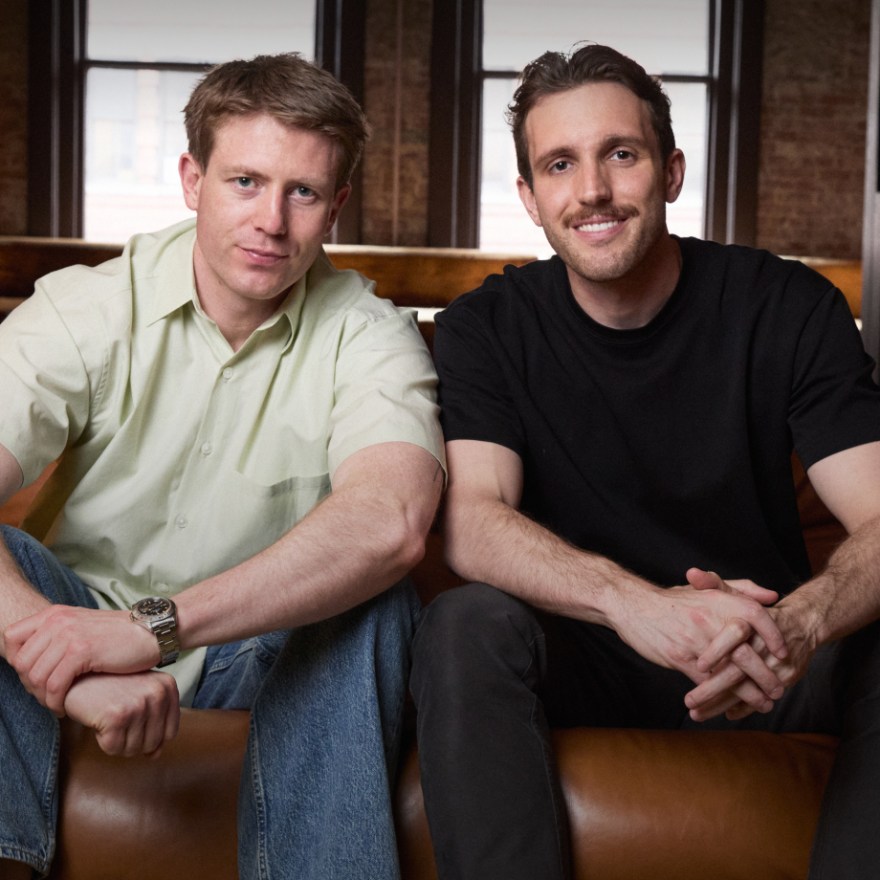
Nish Khandwala and David Eng are building the AI agent platform to serve every function across the health system: clinical, operational, and administrative.
Healthcare hasn’t historically been known as a fast or early technology adopter. Researchers struggle to access external data, collaborate with research institutions, and navigate complex regulations. Hospitals and health systems try to create their own tools or implement narrow point solutions from vendors, but they too often stall in experimentation and never reach patient care.
Health systems need the right platform to quickly adopt AI, so they can refocus their time back on improving patient outcomes and providing better care.
Bunkerhill Health is that platform. Their core product, Carebricks, lets health systems create and deploy AI agents across any clinical or operational use case – turning the data a hospital already generates into timely action for the patients who need it. We first backed Nish Khandwala and David Eng at the seed, and we are proud to continue to double down.
Nish did not read about this problem; he lived it. As a graduate student at Stanford, he helped build an algorithm that could estimate a patient’s coronary artery calcium score from a routine chest scan – a signal of cardiovascular risk that normally requires a dedicated, more invasive test. The algorithm was good enough to be published in Nature Digital Medicine. And then it went nowhere. Around the same time, Nish’s father suffered a heart attack, and his CT scan carried the very calcium signals the Stanford algorithm was built to catch. It is one thing to know that proven science sits unused in academic papers. It is another to watch it fail to reach your own family.
That experience taught Nish something non-obvious: the bottleneck in healthcare AI is not the technology, it is everything around it. So Bunkerhill initially built a system that gets an idea from research to the bedside – sourcing data from a consortium of leading academic medical centers, validating the model, shepherding it through FDA clearance, and installing it into the hospital where a clinician and a patient can actually use it. But they ran into another problem: health systems do not have the time or resources to deploy one-off AI solutions. So Bunkerhill built Carebricks to allow any health system to bring their ideas to life with AI agents across clinical, operational, and administrative work in one central platform. Health systems bring the ideas and the clinical judgment, and Bunkerhill turns them into agents.
We have watched this compound in the field. At UTMB Health, Bunkerhill rapidly went from one agent in production to more than twenty, spreading from one specialty to the next as clinicians saw what it could do. And just as importantly, it has allowed UTMB to consolidate what used to be multiple vendors’ point solutions into a single platform with Carebricks.
Bunkerhill’s agents run quietly in the background, surfacing the findings that matter and catching the cases the system would have missed. Not to automate clinicians away, but to automate manually-intensive work so clinicians and their teams can focus more time on what they do best: caring for their patients.
Nish and David are outlier founders with the technical depth and the relentlessness this problem demands, and they are pulling healthcare toward faster iteration and better outcomes for every patient, not just the average one. We are excited to partner with Nish, David, and the entire Bunkerhill team as they build the agentic AI platform for healthcare.